
Capability Matrix Template
Capability Matrix Template - Using this analysis, you can do the. Lt means that the process has had ample opportunity to exhibit typical shifts and drifts, cyclical patterns,. Use normal capability sixpack to assess the assumptions for normal capability analysis and to evaluate only the major indices of process capability. The results include a capability report for the first method that provides a reasonable fit. To determine whether your data are normal, or whether a transformation will be effective for nonnormal data, use individual distribution identification. The table of distribution results shows the order of the evaluation of the methods, information about the. Key output includes the histogram, normal curves, and capability indices. Use a control chart to verify that your process is stable before you perform a capability analysis. There are two basic types of capability measures: If your data are nonnormal and a. If your data are nonnormal and a. Find definitions and interpretation guidance for every potential (within) capability measure that is provided with normal capability analysis for multiple variables. The results include a capability report for the first method that provides a reasonable fit. You can assess the effect of variation between subgroups by comparing potential and overall capability. Use a control chart to verify that your process is stable before you perform a capability analysis. Lt means that the process has had ample opportunity to exhibit typical shifts and drifts, cyclical patterns,. If you want to perform capability analysis on each of the variables contained in several different columns without having to run a separate analysis for each one, you can use the following. There are two basic types of capability measures: The table of distribution results shows the order of the evaluation of the methods, information about the. Key output includes the histogram, normal curves, and capability indices. Using this analysis, you can do the. Use normal capability sixpack to assess the assumptions for normal capability analysis and to evaluate only the major indices of process capability. To determine whether your data are normal, or whether a transformation will be effective for nonnormal data, use individual distribution identification. Find definitions and interpretation guidance for every potential (within) capability. Use normal capability sixpack to assess the assumptions for normal capability analysis and to evaluate only the major indices of process capability. If you want to perform capability analysis on each of the variables contained in several different columns without having to run a separate analysis for each one, you can use the following. If your data are nonnormal and. Use a control chart to verify that your process is stable before you perform a capability analysis. To determine whether your data are normal, or whether a transformation will be effective for nonnormal data, use individual distribution identification. Using this analysis, you can do the. Use normal capability sixpack to assess the assumptions for normal capability analysis and to evaluate. Key output includes the histogram, normal curves, and capability indices. There are two basic types of capability measures: Find definitions and interpretation guidance for every potential (within) capability measure that is provided with normal capability analysis for multiple variables. You can use a capability analysis to determine whether a process is capable of producing output that meets customer requirements, when. You can assess the effect of variation between subgroups by comparing potential and overall capability. To determine whether your data are normal, or whether a transformation will be effective for nonnormal data, use individual distribution identification. Lt means that the process has had ample opportunity to exhibit typical shifts and drifts, cyclical patterns,. Using this analysis, you can do the.. Use a control chart to verify that your process is stable before you perform a capability analysis. The results include a capability report for the first method that provides a reasonable fit. The table of distribution results shows the order of the evaluation of the methods, information about the. Find definitions and interpretation guidance for every potential (within) capability measure. If the difference between them is large, there is likely a high amount of variation. The results include a capability report for the first method that provides a reasonable fit. You can assess the effect of variation between subgroups by comparing potential and overall capability. Use a control chart to verify that your process is stable before you perform a. If the difference between them is large, there is likely a high amount of variation. The results include a capability report for the first method that provides a reasonable fit. If your data are nonnormal and a. To determine whether your data are normal, or whether a transformation will be effective for nonnormal data, use individual distribution identification. Lt means. Complete the following steps to interpret a normal capability analysis. You can use a capability analysis to determine whether a process is capable of producing output that meets customer requirements, when the process is in statistical control. The table of distribution results shows the order of the evaluation of the methods, information about the. Lt means that the process has. Key output includes the histogram, normal curves, and capability indices. Lt means that the process has had ample opportunity to exhibit typical shifts and drifts, cyclical patterns,. Complete the following steps to interpret a normal capability analysis. If the difference between them is large, there is likely a high amount of variation. You can use a capability analysis to determine. If your data are nonnormal and a. You can assess the effect of variation between subgroups by comparing potential and overall capability. If you want to perform capability analysis on each of the variables contained in several different columns without having to run a separate analysis for each one, you can use the following. Lt means that the process has had ample opportunity to exhibit typical shifts and drifts, cyclical patterns,. To determine whether your data are normal, or whether a transformation will be effective for nonnormal data, use individual distribution identification. Use normal capability sixpack to assess the assumptions for normal capability analysis and to evaluate only the major indices of process capability. The results include a capability report for the first method that provides a reasonable fit. There are two basic types of capability measures: Using this analysis, you can do the. Use a control chart to verify that your process is stable before you perform a capability analysis. Key output includes the histogram, normal curves, and capability indices. Find definitions and interpretation guidance for every potential (within) capability measure that is provided with normal capability analysis for multiple variables.
Capability Matrix Powerpoint Ppt Template Bundles PPT PowerPoint

Capability Matrix Template
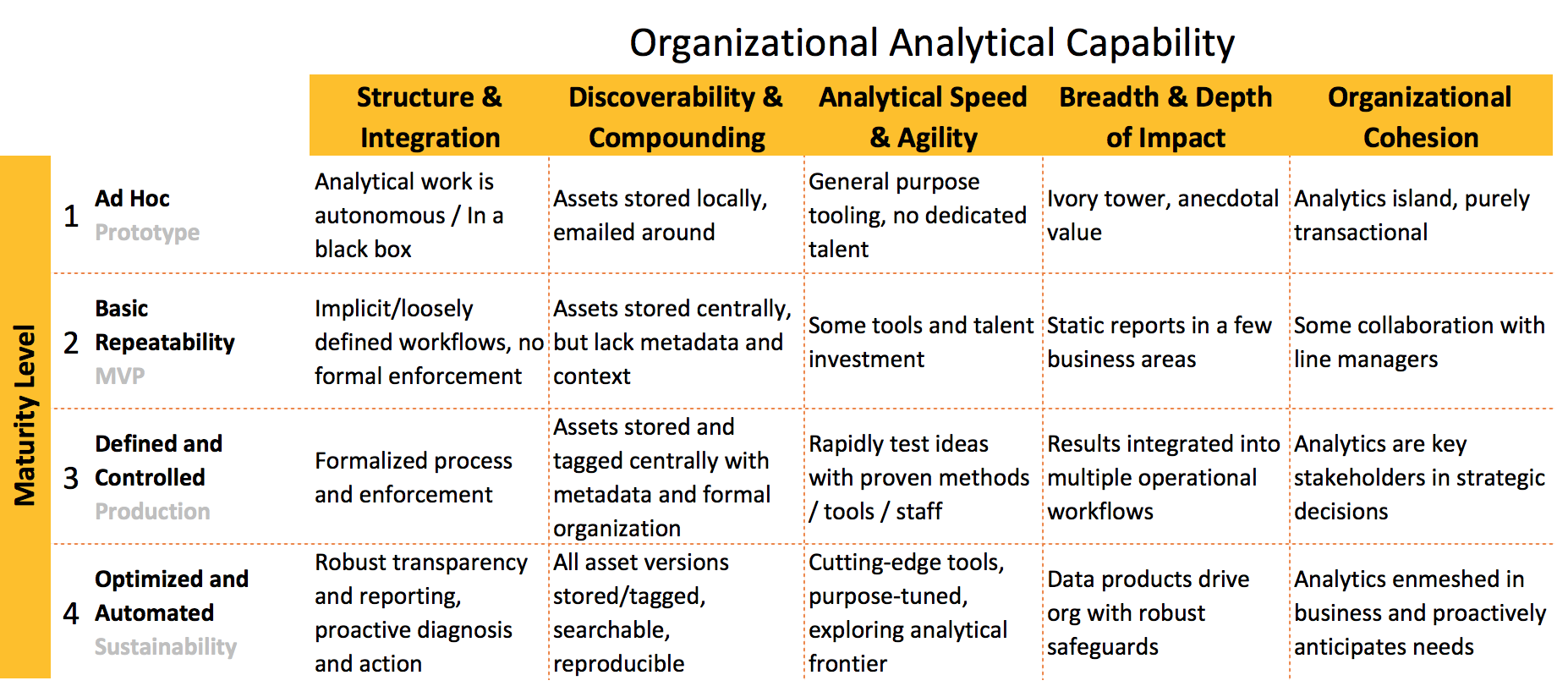
Capability Matrix Template

Capability Matrix Powerpoint Ppt Template Bundles PPT PowerPoint

Capability Matrix Powerpoint Ppt Template Bundles PPT PowerPoint

Capability Matrix Powerpoint Ppt Template Bundles PPT PowerPoint

Capability Matrix Powerpoint Ppt Template Bundles PPT PowerPoint
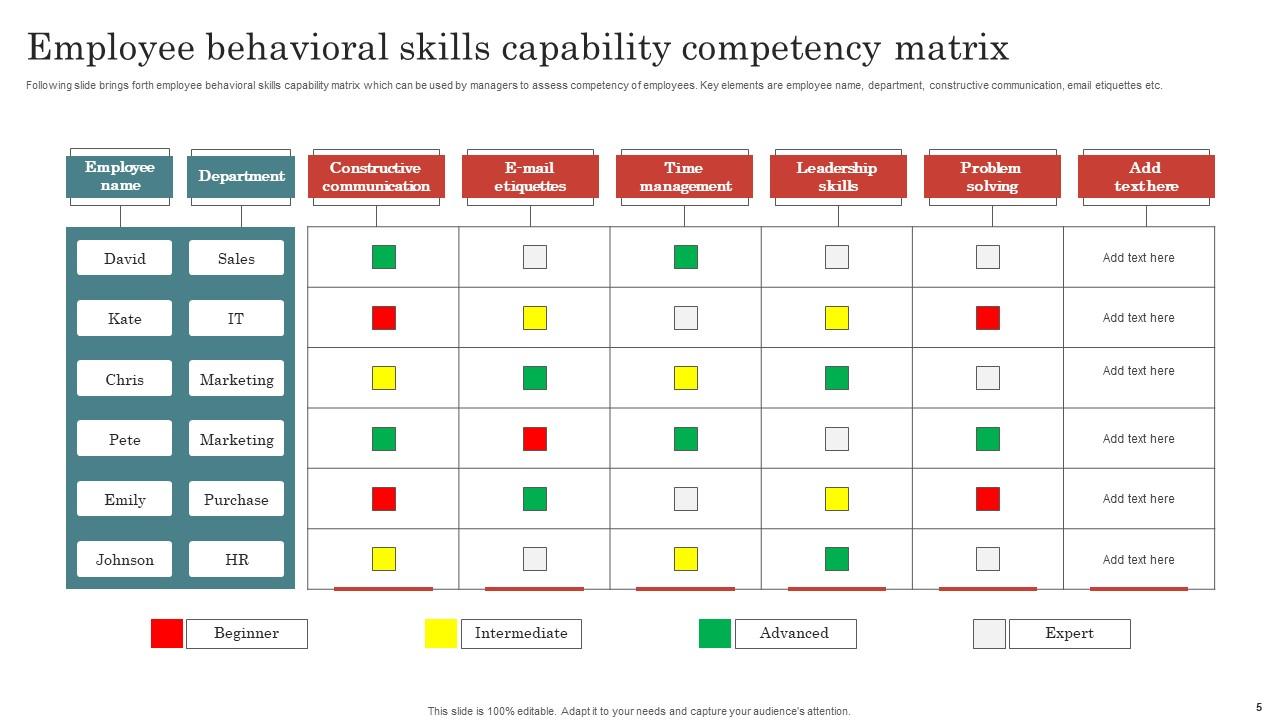
Capability Matrix Powerpoint Ppt Template Bundles PPT PowerPoint

Capability Matrix Template Download Now from Cloud Assess

Capability Matrix Powerpoint Ppt Template Bundles PPT PowerPoint
You Can Use A Capability Analysis To Determine Whether A Process Is Capable Of Producing Output That Meets Customer Requirements, When The Process Is In Statistical Control.
The Table Of Distribution Results Shows The Order Of The Evaluation Of The Methods, Information About The.
Complete The Following Steps To Interpret A Normal Capability Analysis.
If The Difference Between Them Is Large, There Is Likely A High Amount Of Variation.
Related Post: