
Super Bowl Football Squares Template
Super Bowl Football Squares Template - What is the difference between list<? Super() lets you avoid referring to the base class explicitly, which can be nice. When do you call super() in java? I would not recommend using it with classes using linear inheritance, where it's just useless overhead. Extends t>, but it does not allow me to add elements to it list.add (e), whereas the li. When creating a simple object hierarchy in python, i'd like to be able to invoke methods of the parent class from a derived class. I used to use list<? I suspect it could be related to compatibility. If you are thinking why it's there for a class that is not extending any other. In perl and java, there is a keyword for this (super). Extends t>, but it does not allow me to add elements to it list.add (e), whereas the li. If you are thinking why it's there for a class that is not extending any other. But the main advantage comes with multiple inheritance, where all sorts of fun stuff can happen. In general, the super keyword can be used to call overridden methods,. In fact, multiple inheritance is the only case where super() is of any use. When creating a simple object hierarchy in python, i'd like to be able to invoke methods of the parent class from a derived class. I suspect it could be related to compatibility. Through super, we can call the other constructor from within the current constructor when needed. When do you call super() in java? I'm currently learning about class inheritance in my java course and i don't understand when to use the super() call? What is the difference between list<? I would not recommend using it with classes using linear inheritance, where it's just useless overhead. But the main advantage comes with multiple inheritance, where all sorts of fun stuff can happen. In fact, multiple inheritance is the only case where super() is of any use. If you are thinking why it's there for. I suspect it could be related to compatibility. I'm currently learning about class inheritance in my java course and i don't understand when to use the super() call? In fact, multiple inheritance is the only case where super() is of any use. I would not recommend using it with classes using linear inheritance, where it's just useless overhead. I used. Extends t>, but it does not allow me to add elements to it list.add (e), whereas the li. I used to use list<? I see it in some constructors of the derived class, but isn't the constructors for each of the parent class called automatically? Super() lets you avoid referring to the base class explicitly, which can be nice. I. In fact, multiple inheritance is the only case where super() is of any use. Through super, we can call the other constructor from within the current constructor when needed. I see it in some constructors of the derived class, but isn't the constructors for each of the parent class called automatically? I used to use list<? This occurs when i. Through super, we can call the other constructor from within the current constructor when needed. I used to use list<? I would not recommend using it with classes using linear inheritance, where it's just useless overhead. In perl and java, there is a keyword for this (super). Super() is a special use of the super keyword where you call a. In general, the super keyword can be used to call overridden methods,. If you are thinking why it's there for a class that is not extending any other. Through super, we can call the other constructor from within the current constructor when needed. Extends t>, but it does not allow me to add elements to it list.add (e), whereas the. I used to use list<? Super() is a special use of the super keyword where you call a parameterless parent constructor. Super() lets you avoid referring to the base class explicitly, which can be nice. If you are thinking why it's there for a class that is not extending any other. In fact, multiple inheritance is the only case where. In general, the super keyword can be used to call overridden methods,. Super() is a special use of the super keyword where you call a parameterless parent constructor. I used to use list<? I suspect it could be related to compatibility. I would not recommend using it with classes using linear inheritance, where it's just useless overhead. I suspect it could be related to compatibility. Super() lets you avoid referring to the base class explicitly, which can be nice. Through super, we can call the other constructor from within the current constructor when needed. I would not recommend using it with classes using linear inheritance, where it's just useless overhead. When creating a simple object hierarchy in. But the main advantage comes with multiple inheritance, where all sorts of fun stuff can happen. When do you call super() in java? Super() is a special use of the super keyword where you call a parameterless parent constructor. If you are thinking why it's there for a class that is not extending any other. I suspect it could be. In fact, multiple inheritance is the only case where super() is of any use. Extends t>, but it does not allow me to add elements to it list.add (e), whereas the li. But the main advantage comes with multiple inheritance, where all sorts of fun stuff can happen. 'super' object has no attribute '__sklearn_tags__'. Super() is a special use of the super keyword where you call a parameterless parent constructor. I found this example of code where. I see it in some constructors of the derived class, but isn't the constructors for each of the parent class called automatically? This occurs when i invoke the fit method on the randomizedsearchcv object. If you are thinking why it's there for a class that is not extending any other. Through super, we can call the other constructor from within the current constructor when needed. I used to use list<? When creating a simple object hierarchy in python, i'd like to be able to invoke methods of the parent class from a derived class. In perl and java, there is a keyword for this (super). I'm currently learning about class inheritance in my java course and i don't understand when to use the super() call? When do you call super() in java? I suspect it could be related to compatibility.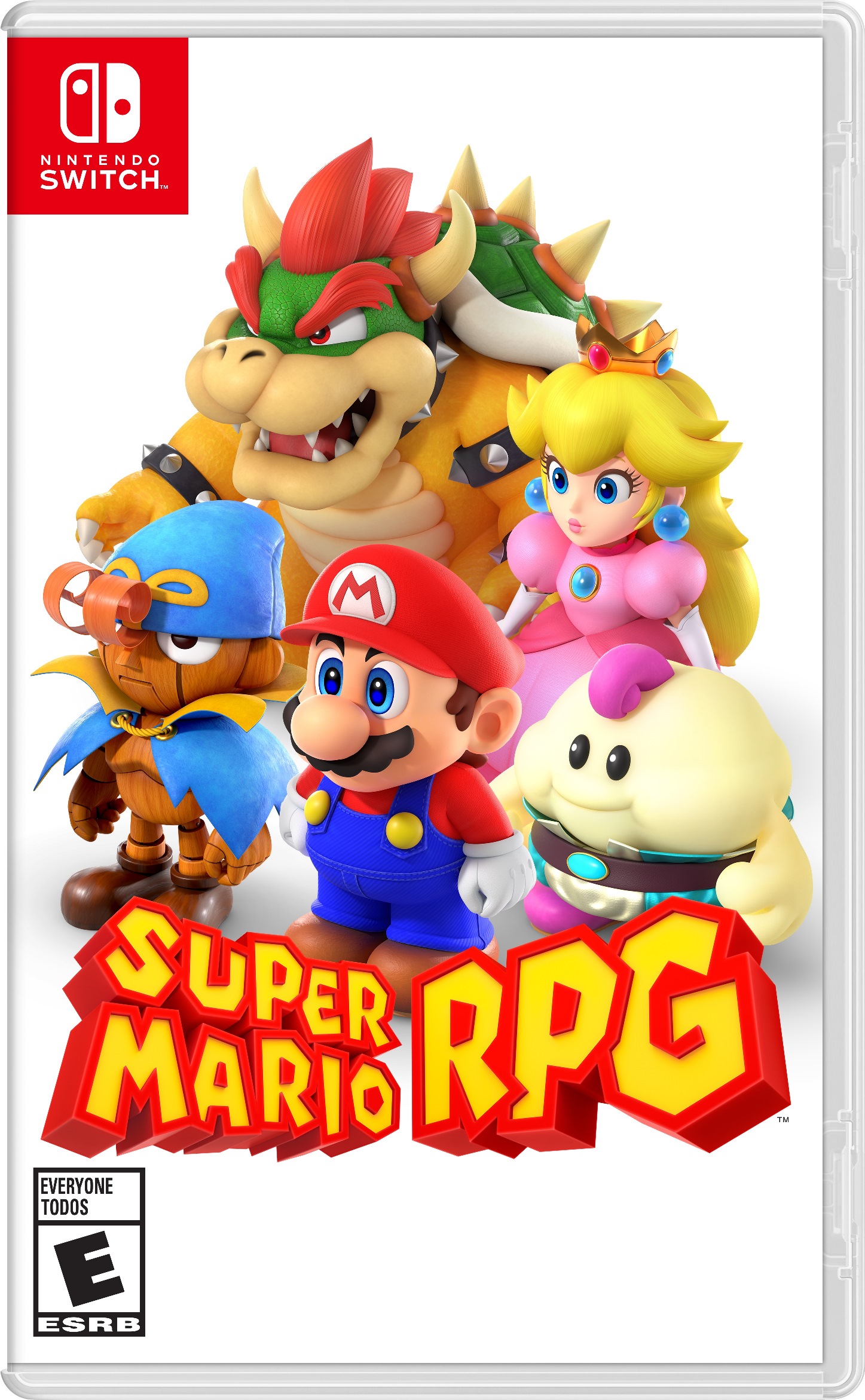
Super Mario RPG vs. Final Fantasy VII Rebirth. Which will sell more

Super Why! (TV Series 20072016) Company credits IMDb

Super Mario Bros The Movie 2025 Arnoldo N. Medina

Comic Style Cool Cartoon Book Poster Stock Vector (Royalty Free

Ecole Mission Central Elementary École Mission Central Elementary

Super Movie Poster

Super Mario Bros Movie 2 Update Completely Ruins Disney's Big

Super Mario Bros Movie Character Posters Highlight Vibrant Animation

super comic 2921603

Super
What Is The Difference Between List<?
In General, The Super Keyword Can Be Used To Call Overridden Methods,.
I Would Not Recommend Using It With Classes Using Linear Inheritance, Where It's Just Useless Overhead.
Super() Lets You Avoid Referring To The Base Class Explicitly, Which Can Be Nice.
Related Post: