
Transaction Register Template
Transaction Register Template - On the server where the trigger resides, you need to turn the msdtc service on. You can this by clicking start > settings > control panel > administrative tools >. Transaction count after execute indicates a mismatching number of. Exec uspstoredprocname i get the following error: Is there a better approach that improves maintainability and performance of the application that uses this. Begin initiates a transaction block, that is, all statements after a begin command will be executed in a single transaction until an explicit commit or rollback is. Begin transaction / commit extends this locking functionality to the work done by multiple statements, but it adds nothing to single statements. But when i call the second stored procedure as: In all versions of entity framework, whenever you execute savechanges () to insert, update or delete on the database the framework will wrap that operation in a transaction. You use transactions when the set of database operations you are making needs to be atomic. On the server where the trigger resides, you need to turn the msdtc service on. Is there a better approach that improves maintainability and performance of the application that uses this. Exec uspstoredprocname i get the following error: You use transactions when the set of database operations you are making needs to be atomic. Begin transaction / commit extends this locking functionality to the work done by multiple statements, but it adds nothing to single statements. Transaction count after execute indicates a mismatching number of. Begin initiates a transaction block, that is, all statements after a begin command will be executed in a single transaction until an explicit commit or rollback is. You can this by clicking start > settings > control panel > administrative tools >. In all versions of entity framework, whenever you execute savechanges () to insert, update or delete on the database the framework will wrap that operation in a transaction. But when i call the second stored procedure as: Transaction count after execute indicates a mismatching number of. Is there a better approach that improves maintainability and performance of the application that uses this. In all versions of entity framework, whenever you execute savechanges () to insert, update or delete on the database the framework will wrap that operation in a transaction. Begin initiates a transaction block, that is,. But when i call the second stored procedure as: On the server where the trigger resides, you need to turn the msdtc service on. You use transactions when the set of database operations you are making needs to be atomic. You can this by clicking start > settings > control panel > administrative tools >. Transaction count after execute indicates. You can this by clicking start > settings > control panel > administrative tools >. In all versions of entity framework, whenever you execute savechanges () to insert, update or delete on the database the framework will wrap that operation in a transaction. You use transactions when the set of database operations you are making needs to be atomic. Begin. But when i call the second stored procedure as: Exec uspstoredprocname i get the following error: In all versions of entity framework, whenever you execute savechanges () to insert, update or delete on the database the framework will wrap that operation in a transaction. Begin initiates a transaction block, that is, all statements after a begin command will be executed. Transaction count after execute indicates a mismatching number of. You use transactions when the set of database operations you are making needs to be atomic. On the server where the trigger resides, you need to turn the msdtc service on. Exec uspstoredprocname i get the following error: Begin initiates a transaction block, that is, all statements after a begin command. You use transactions when the set of database operations you are making needs to be atomic. Transaction count after execute indicates a mismatching number of. On the server where the trigger resides, you need to turn the msdtc service on. Begin initiates a transaction block, that is, all statements after a begin command will be executed in a single transaction. You can this by clicking start > settings > control panel > administrative tools >. Transaction count after execute indicates a mismatching number of. Begin initiates a transaction block, that is, all statements after a begin command will be executed in a single transaction until an explicit commit or rollback is. Is there a better approach that improves maintainability and. You can this by clicking start > settings > control panel > administrative tools >. In all versions of entity framework, whenever you execute savechanges () to insert, update or delete on the database the framework will wrap that operation in a transaction. Begin transaction / commit extends this locking functionality to the work done by multiple statements, but it. You use transactions when the set of database operations you are making needs to be atomic. Transaction count after execute indicates a mismatching number of. Begin transaction / commit extends this locking functionality to the work done by multiple statements, but it adds nothing to single statements. Is there a better approach that improves maintainability and performance of the application. You use transactions when the set of database operations you are making needs to be atomic. Transaction count after execute indicates a mismatching number of. Begin transaction / commit extends this locking functionality to the work done by multiple statements, but it adds nothing to single statements. But when i call the second stored procedure as: You can this by. In all versions of entity framework, whenever you execute savechanges () to insert, update or delete on the database the framework will wrap that operation in a transaction. Transaction count after execute indicates a mismatching number of. You use transactions when the set of database operations you are making needs to be atomic. Begin initiates a transaction block, that is, all statements after a begin command will be executed in a single transaction until an explicit commit or rollback is. Begin transaction / commit extends this locking functionality to the work done by multiple statements, but it adds nothing to single statements. But when i call the second stored procedure as: Is there a better approach that improves maintainability and performance of the application that uses this. Exec uspstoredprocname i get the following error: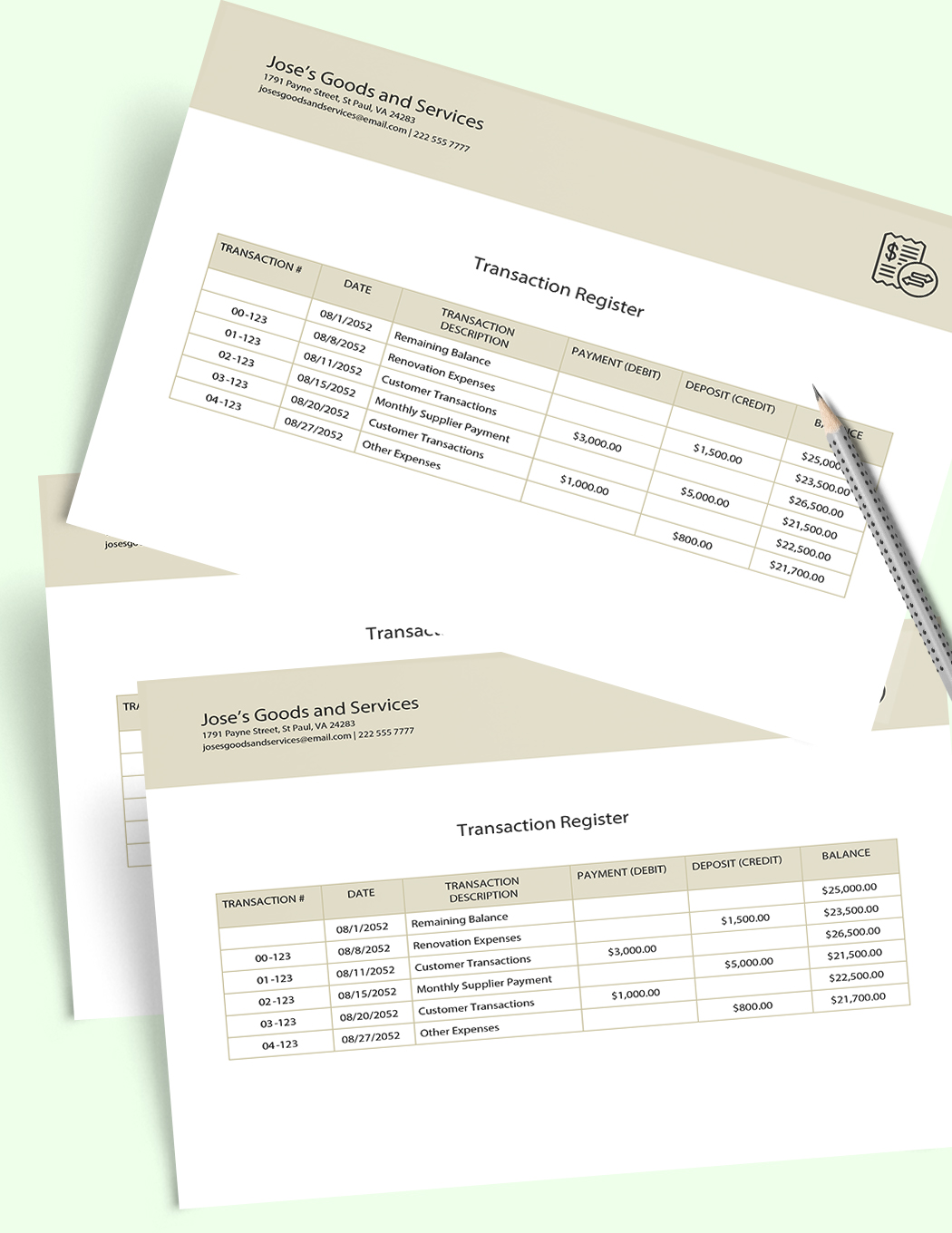
Transaction Register Template in Word, Google Docs Download
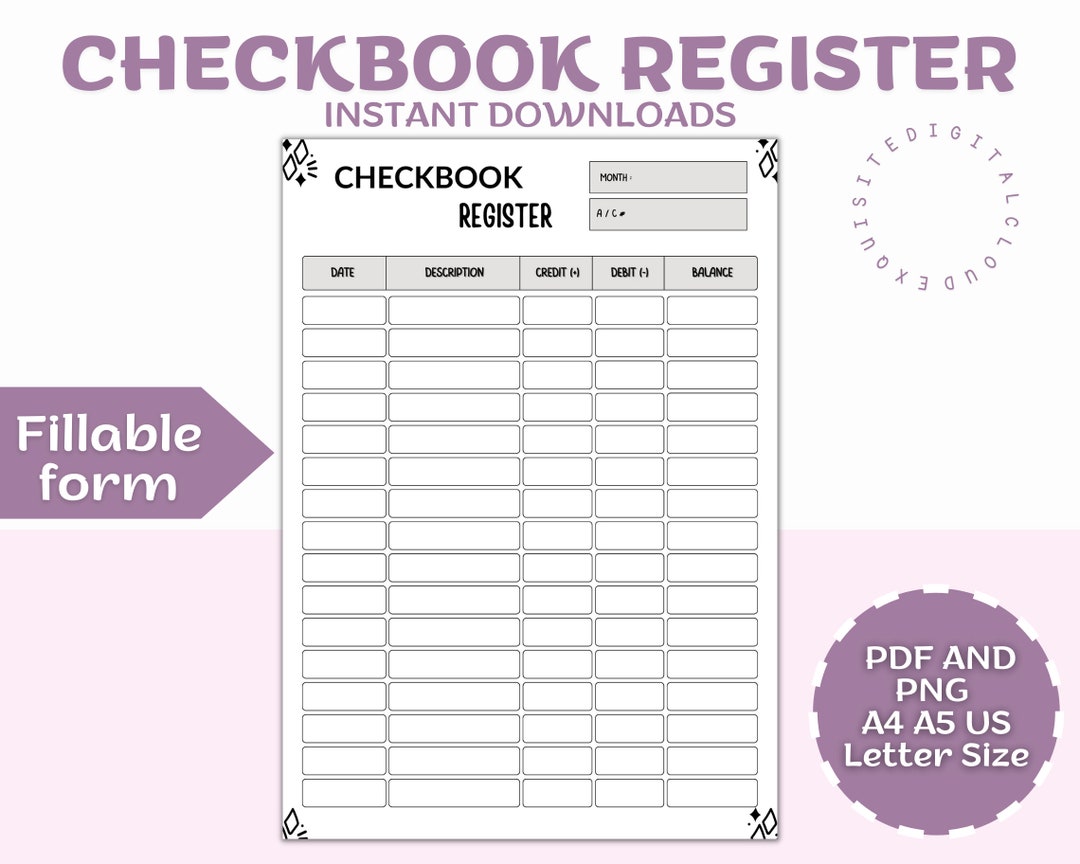
Checkbook Register Template Transaction Register Printable Checkbook
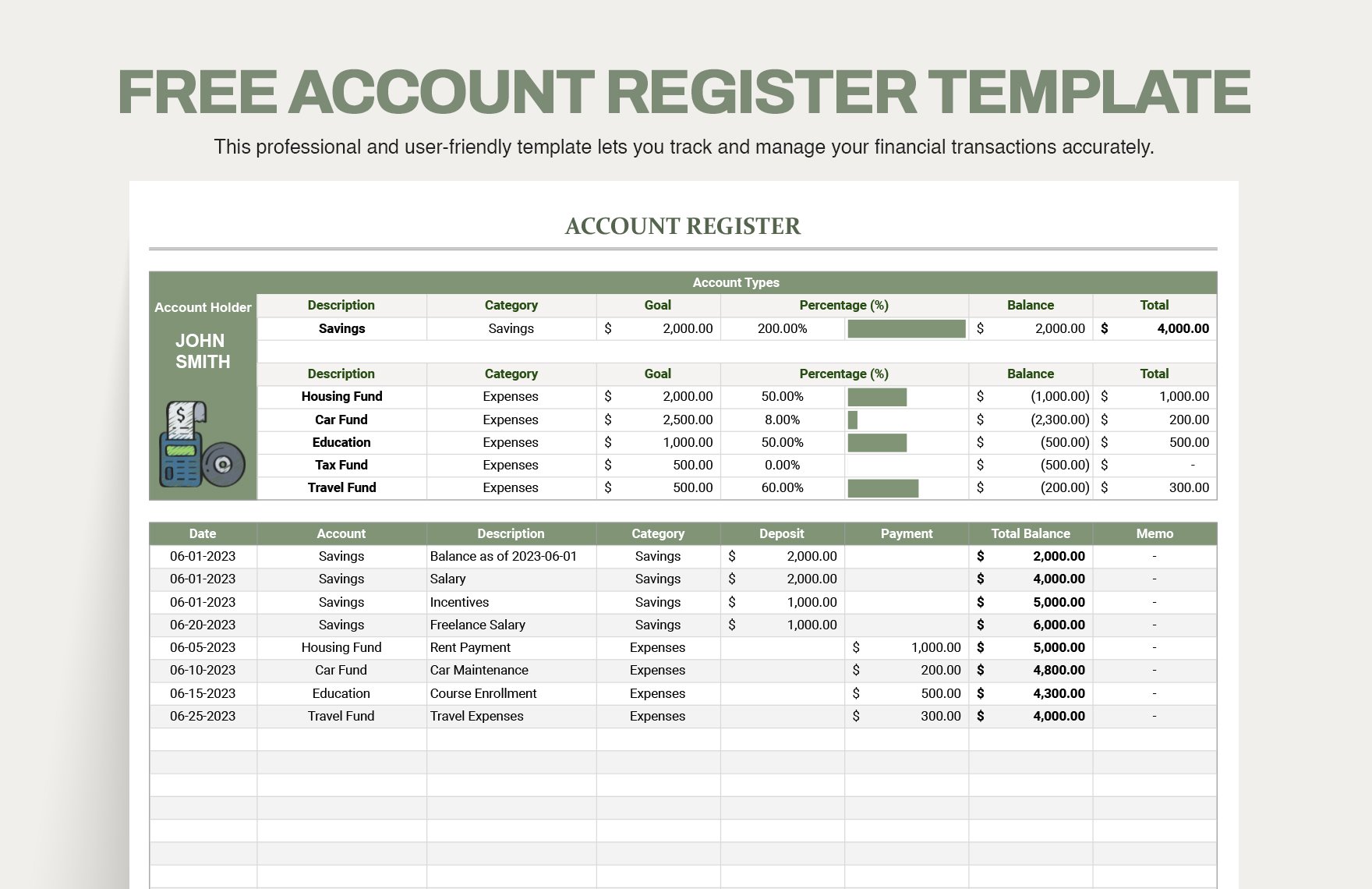
Savings Register Template in Word, Google Docs Download
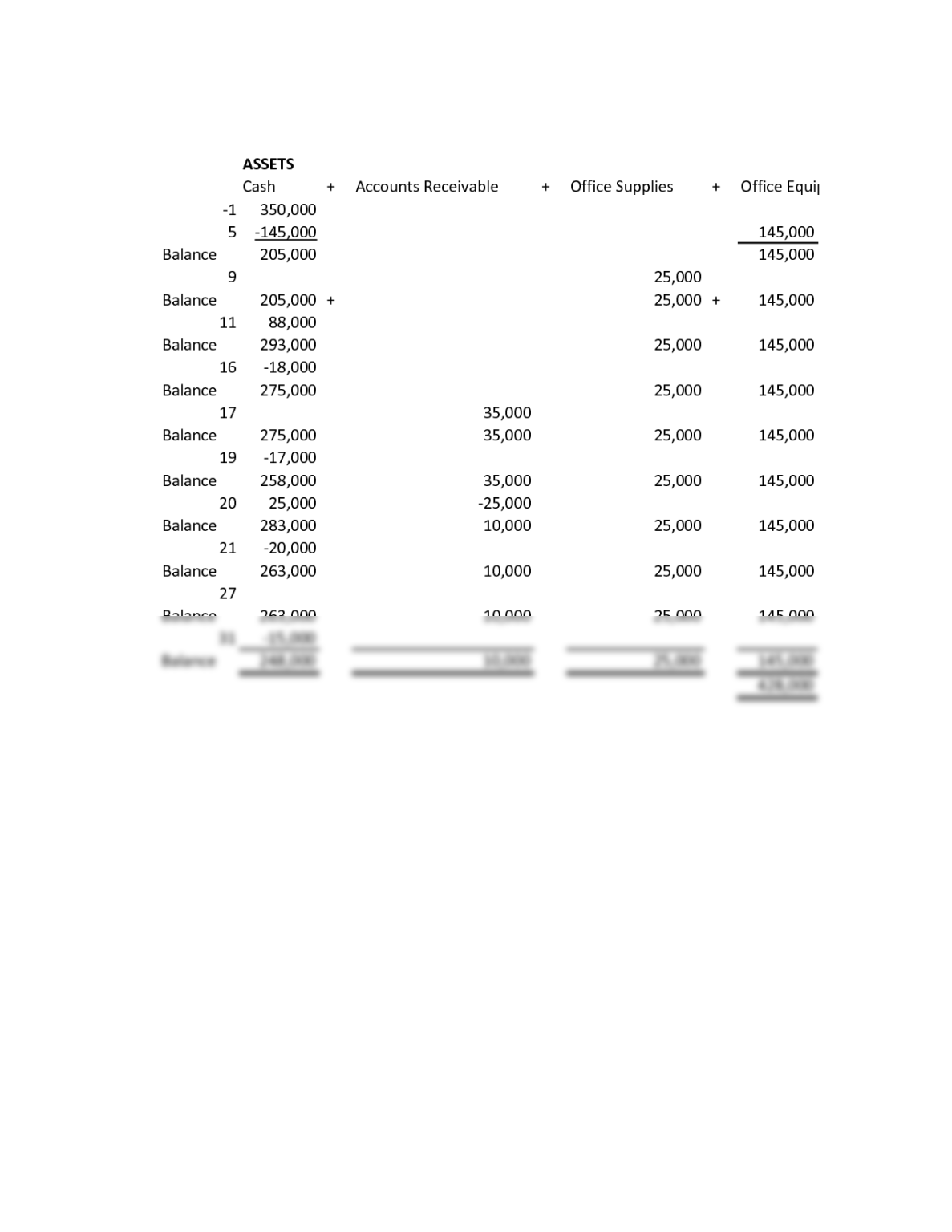
Sample of Personal Financial Transaction Register Template Templateral
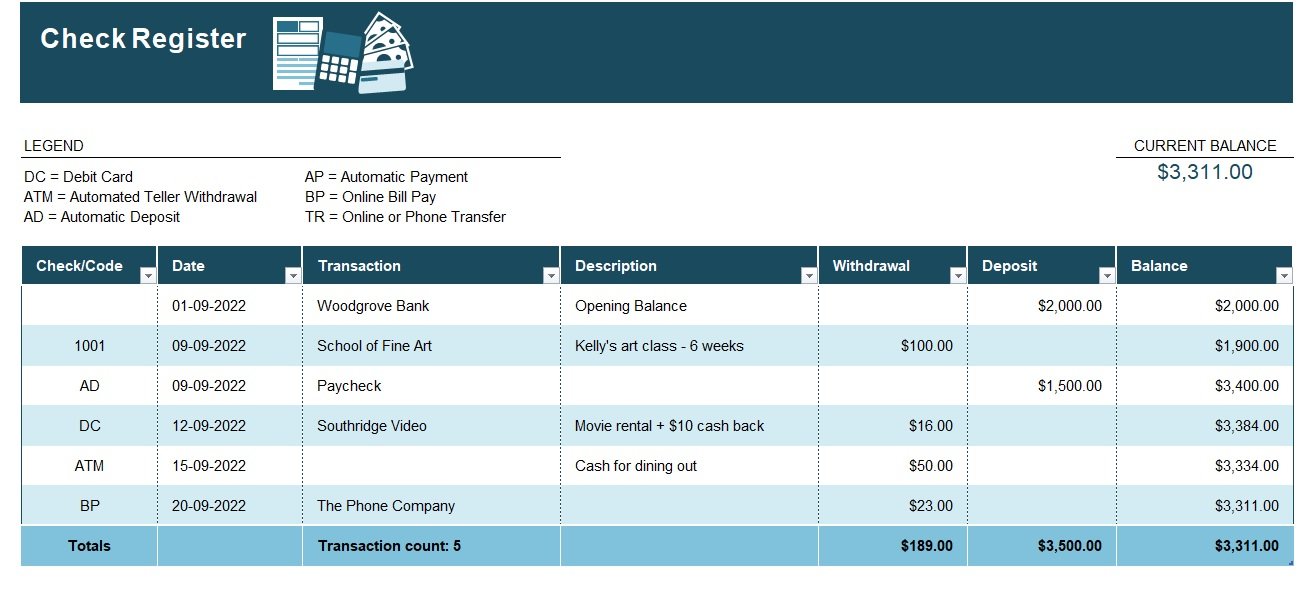
Check Register With Transaction Codes Template In Excel (Download.xlsx)
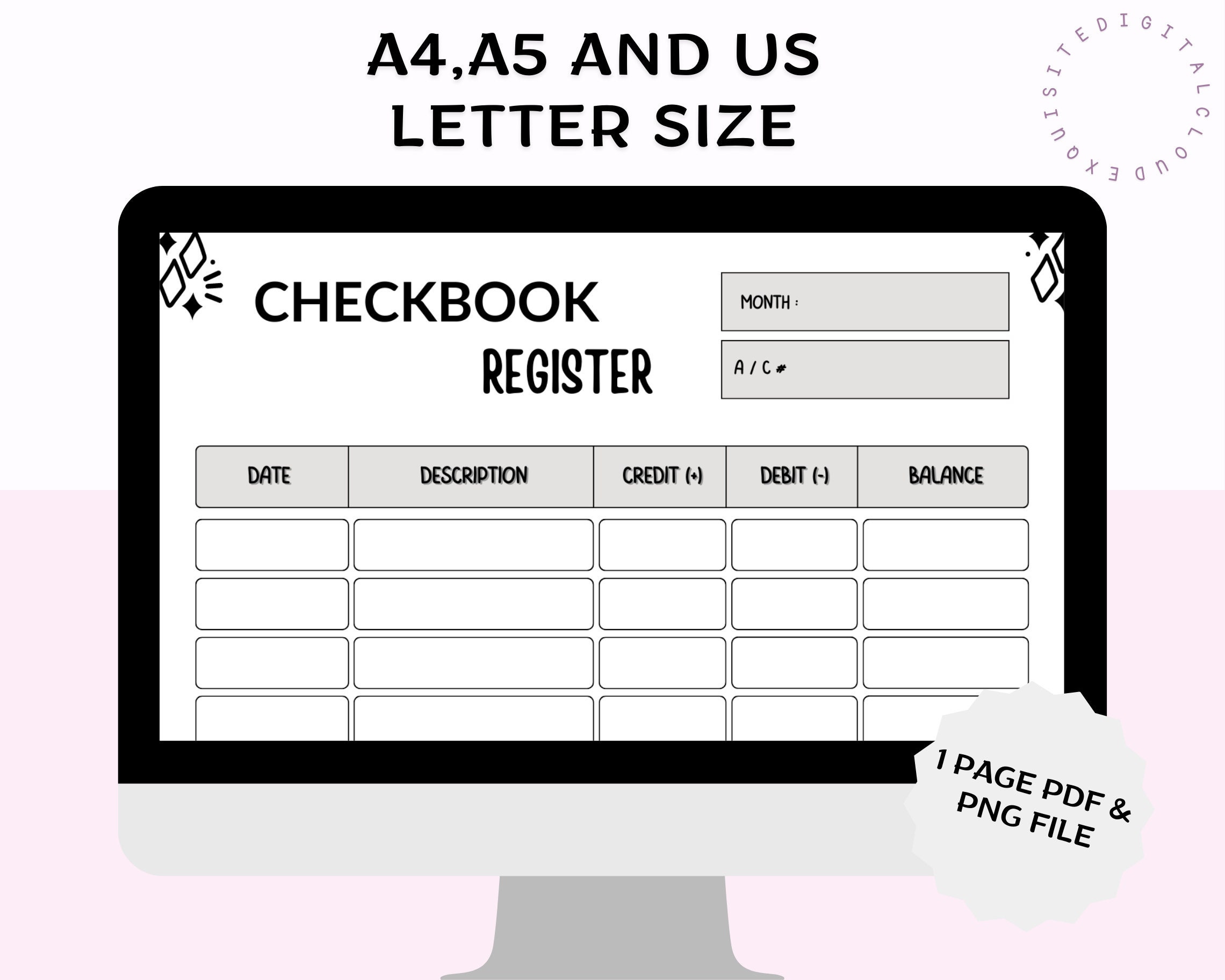
Checkbook Register Template Transaction Register Printable Checkbook
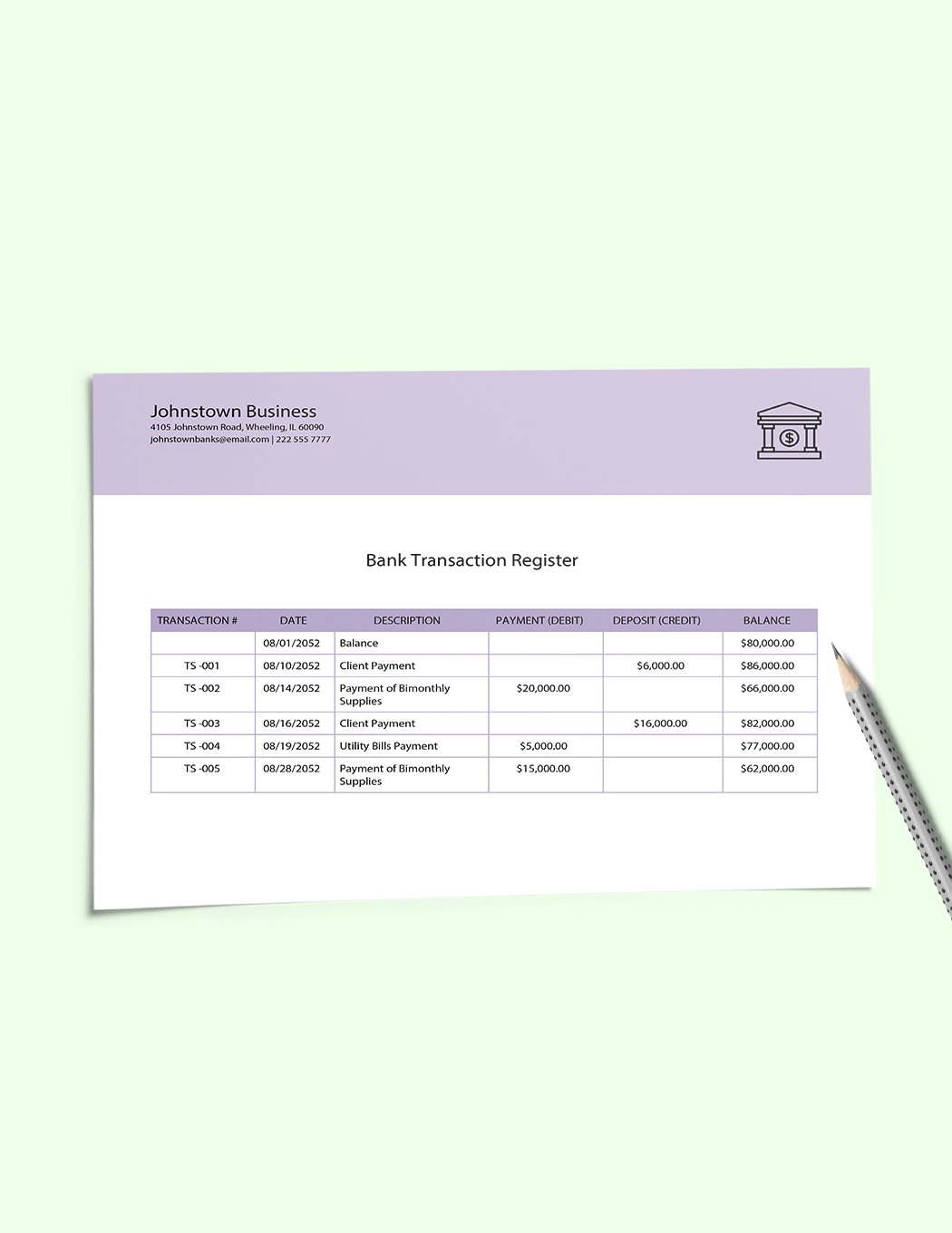
Bank Register Template in Word, Google Docs Download

Free Transaction Register Template Google Docs, Word

Efficient Transaction Management With Printable Transaction Register
Cash Transaction Register PDF
You Can This By Clicking Start > Settings > Control Panel > Administrative Tools >.
On The Server Where The Trigger Resides, You Need To Turn The Msdtc Service On.
Related Post:
