
Vendors List Template
Vendors List Template - Vendors sell finished products or services directly to consumers or businesses that then sell to consumers. For example, companies that buy finished steel and sell it to. Vendors, also known as suppliers, are individuals or businesses that sell goods or services. The types of vendors include manufacturers, retailers, wholesalers, and service providers. A vendor refers to an individual or entity purchasing products from manufacturers and then selling them directly to customers. In this article, we explain what a vendor is, explore 12 types of. Understanding the roles and differences between vendors and suppliers is crucial for businesses to effectively manage their supply chains and ensure a seamless flow of goods. In a b2b context, vendors play a vital role in the supply chain by. A vendor is a person or business. Here’s what you need to know about this important part of the supply chain. Explore the essential role of vendors in daily life, from retail to wholesale and services, with examples that enhance consumer experiences and choices. A vendor is a person, organization (usually with a business name), or some other legal entity that makes goods or sells its services to a consumer or other business owners. The types of vendors include manufacturers, retailers, wholesalers, and service providers. Understanding the roles and differences between vendors and suppliers is crucial for businesses to effectively manage their supply chains and ensure a seamless flow of goods. Learn how to choose the right vendors for your business success. In a b2b context, vendors play a vital role in the supply chain by. By contrast, a supplier is a person or business that provides raw. Discover what a vendor is, the types of vendors, and how they help retailers thrive. Here’s what you need to know about this important part of the supply chain. Vendors sell finished products or services directly to consumers or businesses that then sell to consumers. Understanding the roles and differences between vendors and suppliers is crucial for businesses to effectively manage their supply chains and ensure a seamless flow of goods. In a b2b context, vendors play a vital role in the supply chain by. For example, companies that buy finished steel and sell it to. A vendor is an individual or business that supplies. Vendors are found throughout the supply chain. Understanding the roles and differences between vendors and suppliers is crucial for businesses to effectively manage their supply chains and ensure a seamless flow of goods. By contrast, a supplier is a person or business that provides raw. A vendor refers to an individual or entity purchasing products from manufacturers and then selling. Vendors, also known as suppliers, are individuals or businesses that sell goods or services. In a b2b context, vendors play a vital role in the supply chain by. Vendors sell finished products or services directly to consumers or businesses that then sell to consumers. Understanding the roles and differences between vendors and suppliers is crucial for businesses to effectively manage. A vendor is a person or business. In a b2b context, vendors play a vital role in the supply chain by. Understanding the roles and differences between vendors and suppliers is crucial for businesses to effectively manage their supply chains and ensure a seamless flow of goods. A vendor is an individual or business that supplies goods or services to. Understanding the roles and differences between vendors and suppliers is crucial for businesses to effectively manage their supply chains and ensure a seamless flow of goods. Learning about different vendors can help you decide which types may help you optimize business processes. For example, companies that buy finished steel and sell it to. A vendor is an individual or business. Explore the essential role of vendors in daily life, from retail to wholesale and services, with examples that enhance consumer experiences and choices. By contrast, a supplier is a person or business that provides raw. A vendor is a person, organization (usually with a business name), or some other legal entity that makes goods or sells its services to a. Learn how to choose the right vendors for your business success. The types of vendors include manufacturers, retailers, wholesalers, and service providers. Vendors are found throughout the supply chain. In a b2b context, vendors play a vital role in the supply chain by. A vendor refers to an individual or entity purchasing products from manufacturers and then selling them directly. Understanding the roles and differences between vendors and suppliers is crucial for businesses to effectively manage their supply chains and ensure a seamless flow of goods. Vendors, also known as suppliers, are individuals or businesses that sell goods or services. In this article, we explain what a vendor is, explore 12 types of. By contrast, a supplier is a person. For example, companies that buy finished steel and sell it to. Explore the essential role of vendors in daily life, from retail to wholesale and services, with examples that enhance consumer experiences and choices. Learn how to choose the right vendors for your business success. In a b2b context, vendors play a vital role in the supply chain by. Vendors,. A vendor refers to an individual or entity purchasing products from manufacturers and then selling them directly to customers. A vendor is a person, organization (usually with a business name), or some other legal entity that makes goods or sells its services to a consumer or other business owners. Learn how to choose the right vendors for your business success.. In this article, we explain what a vendor is, explore 12 types of. A vendor is a person or business. A vendor is a person, organization (usually with a business name), or some other legal entity that makes goods or sells its services to a consumer or other business owners. Here’s what you need to know about this important part of the supply chain. Learning about different vendors can help you decide which types may help you optimize business processes. Discover what a vendor is, the types of vendors, and how they help retailers thrive. The types of vendors include manufacturers, retailers, wholesalers, and service providers. By contrast, a supplier is a person or business that provides raw. Vendors are found throughout the supply chain. Explore the essential role of vendors in daily life, from retail to wholesale and services, with examples that enhance consumer experiences and choices. Learn how to choose the right vendors for your business success. Understanding the roles and differences between vendors and suppliers is crucial for businesses to effectively manage their supply chains and ensure a seamless flow of goods. A vendor refers to an individual or entity purchasing products from manufacturers and then selling them directly to customers. For example, companies that buy finished steel and sell it to.
Street Food Vendors in Mexico City Editorial Photo Image of urban
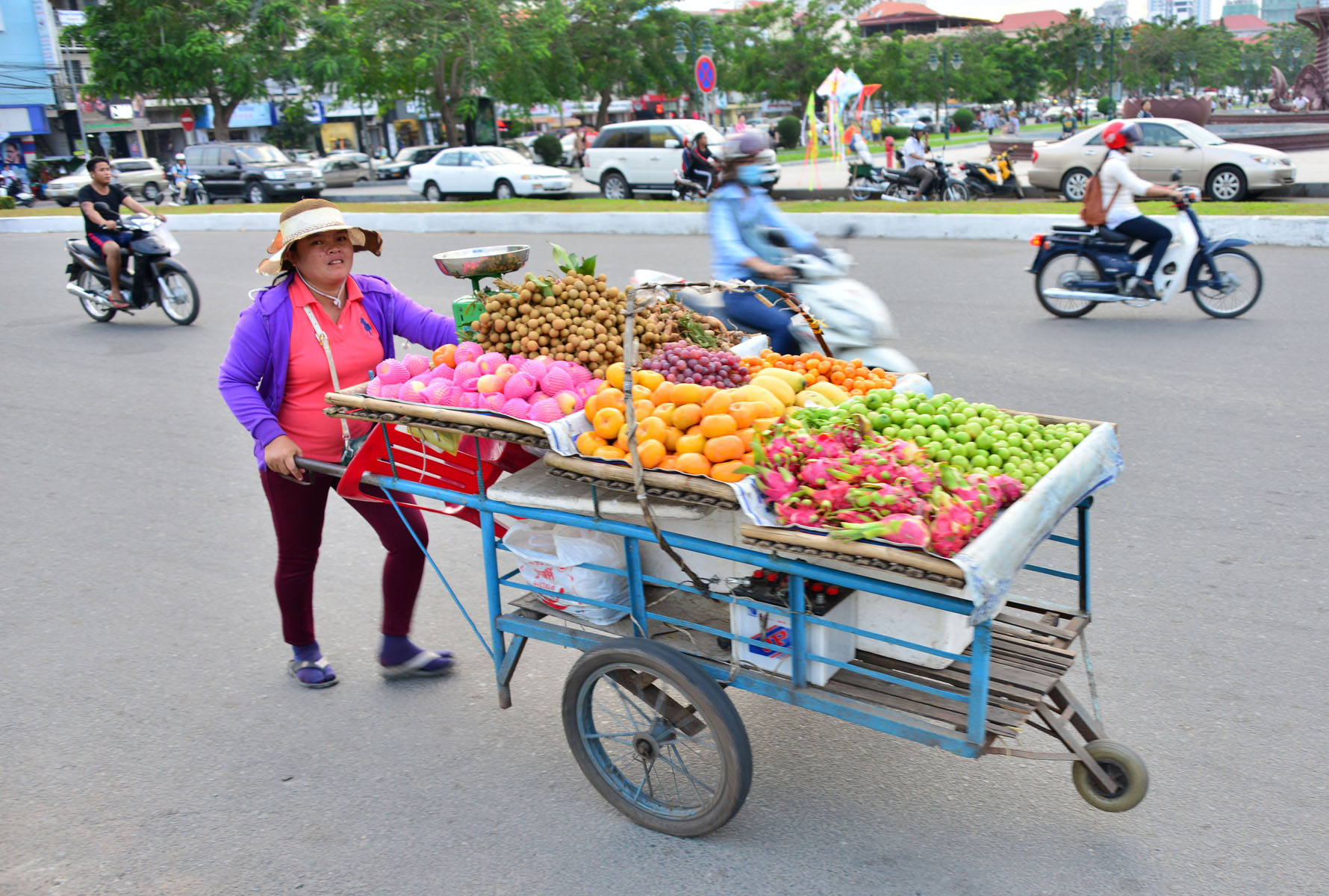
Street Vendors, Cambodia

Street vendors in Los Angeles struggle to stay safe and make a living
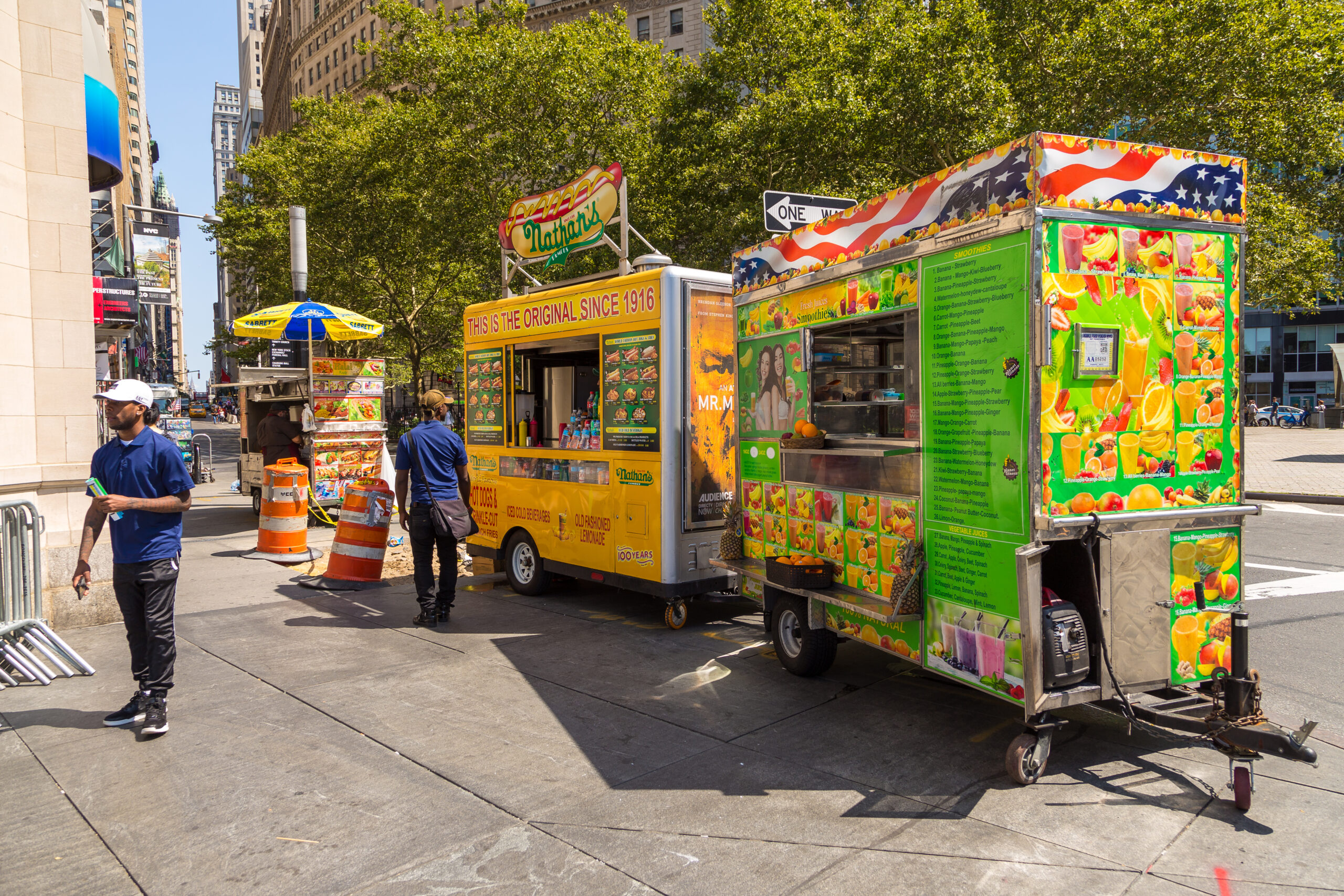
The Status of Street Vendors in NYC Background and Overview
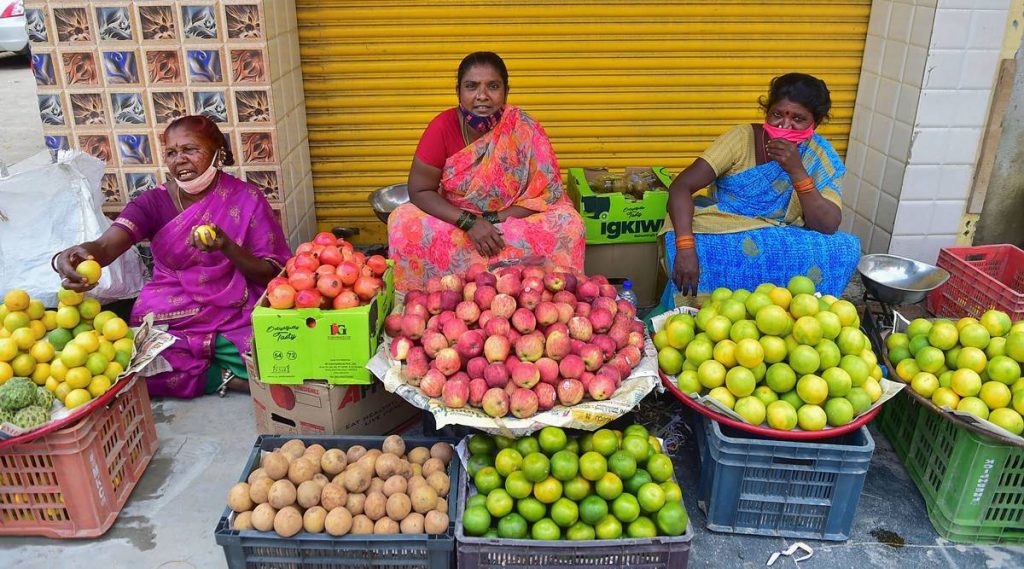
Vendors
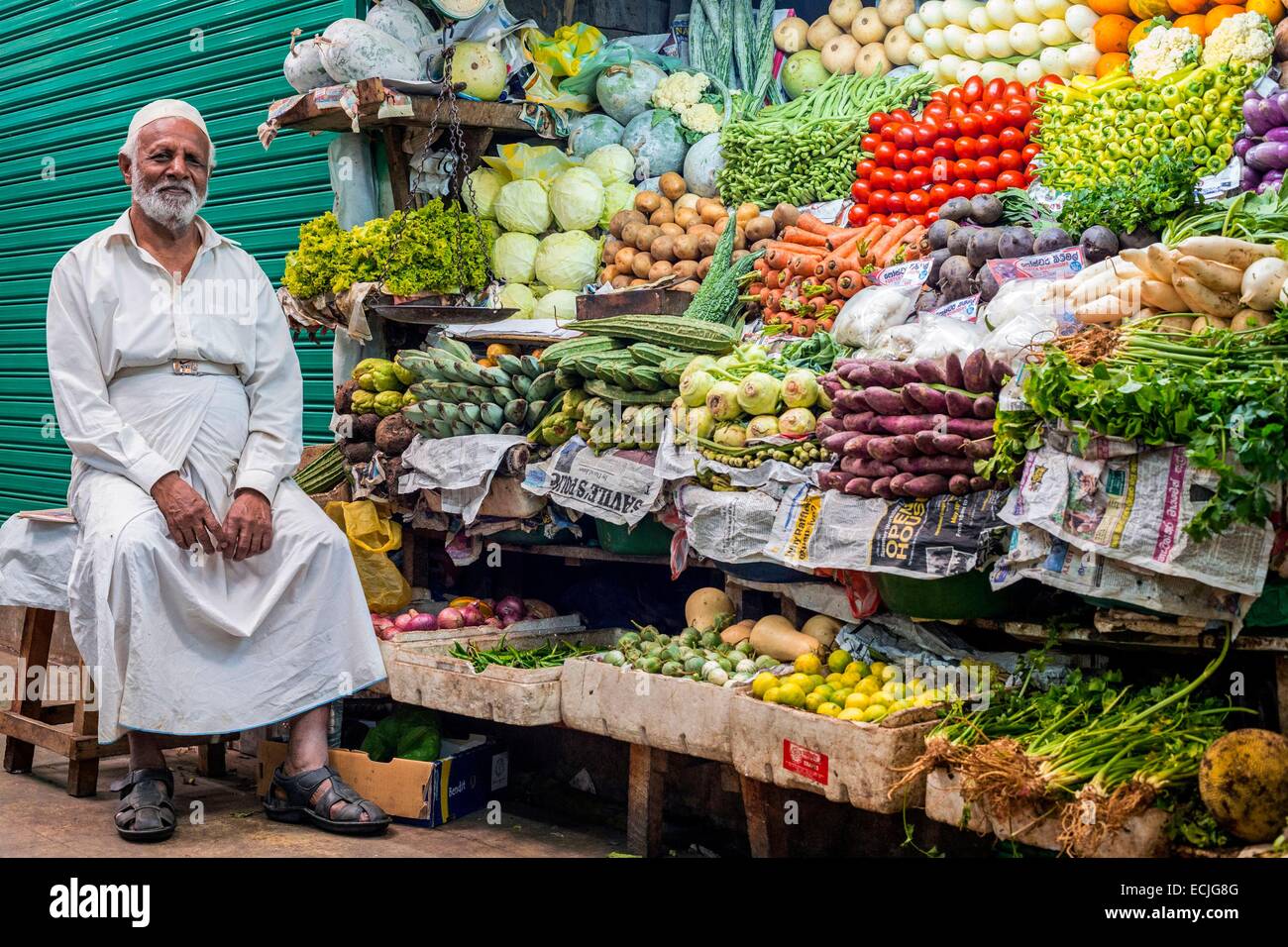
Vendor
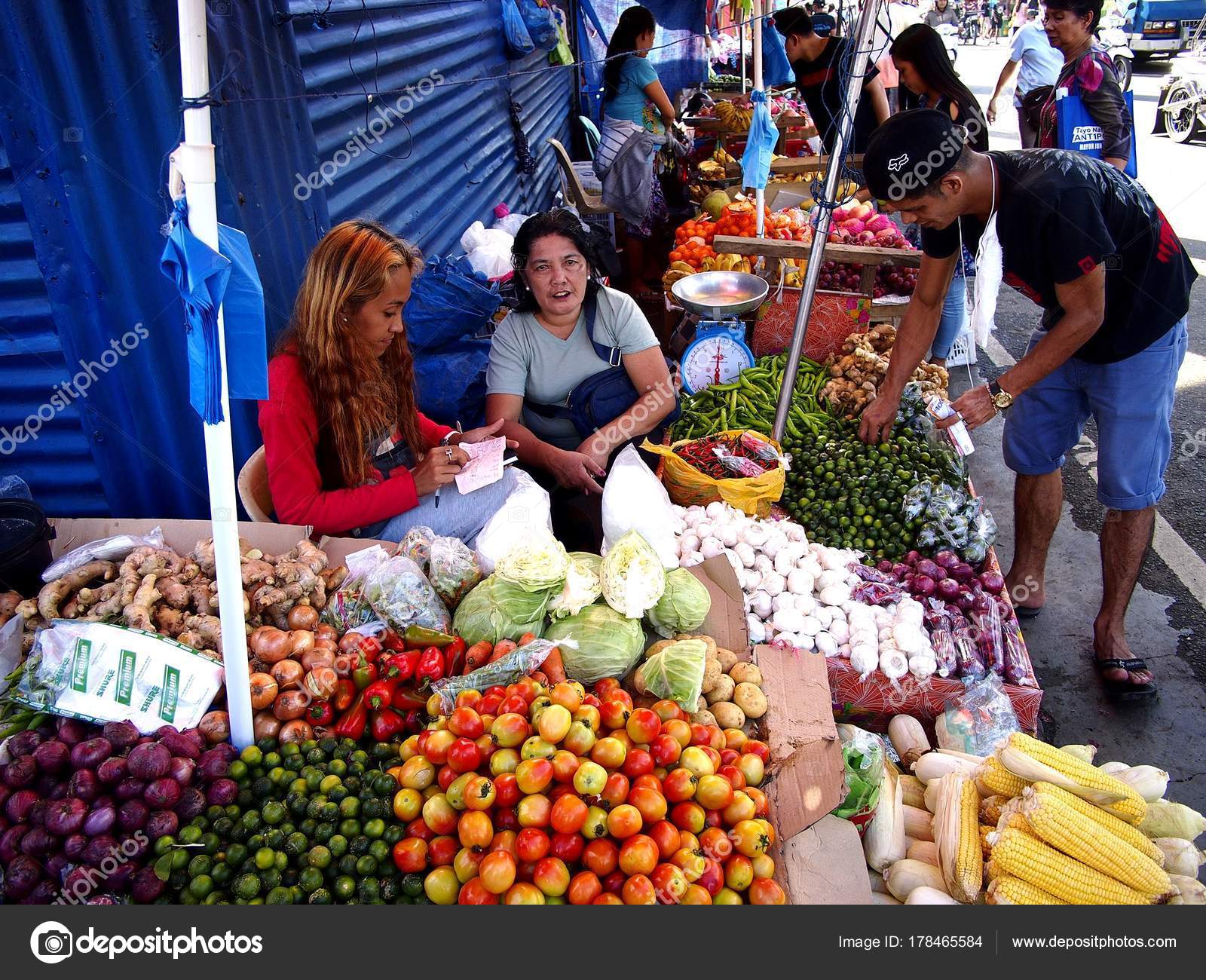
Vendors

Bustling and Colorful Market Filled with Vendors and Shoppers Stock
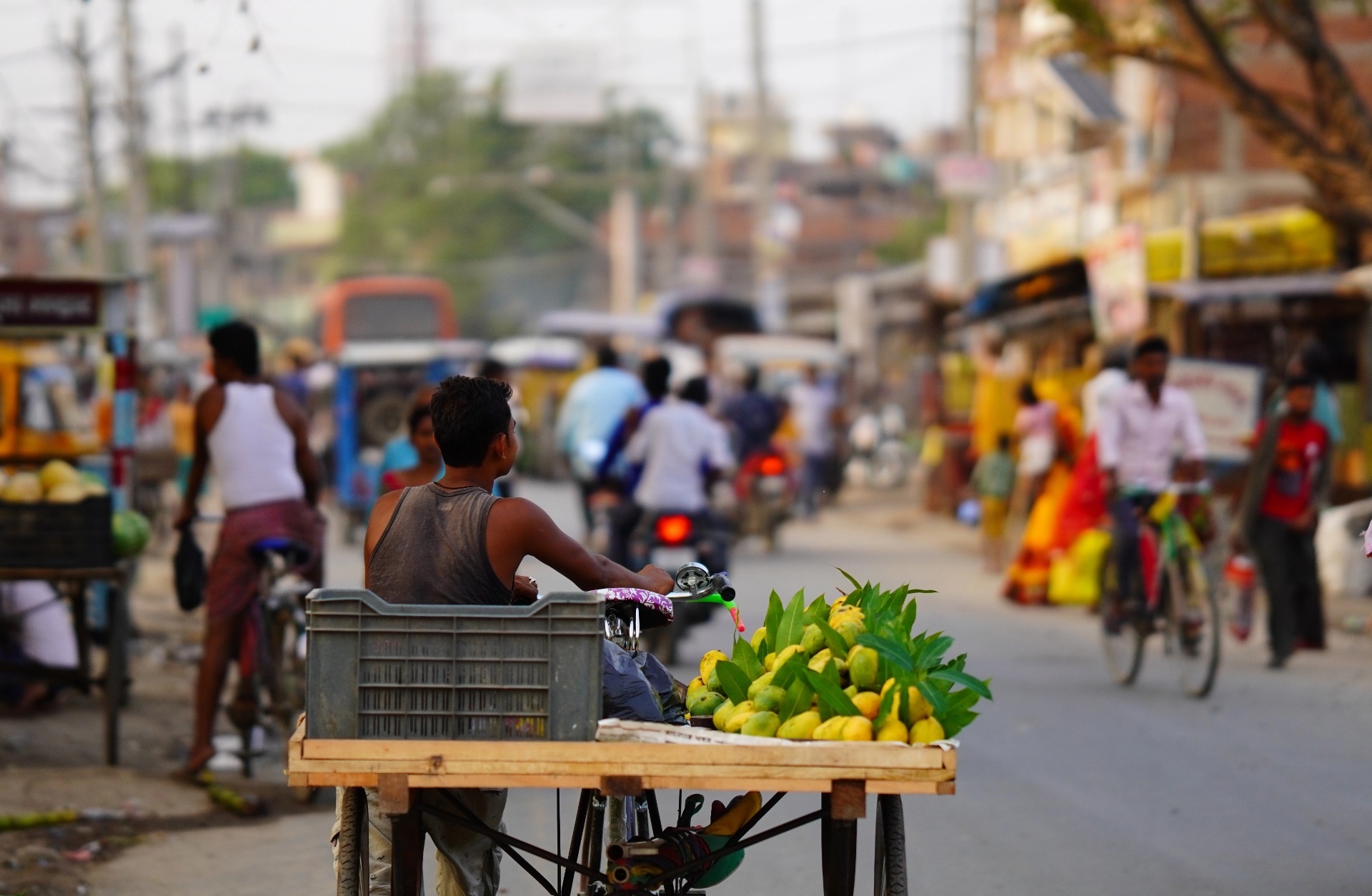
Street Vendors Centre For Civil Society

Vendors Images
A Vendor Is An Individual Or Business That Supplies Goods Or Services To Other Companies Or Consumers.
In A B2B Context, Vendors Play A Vital Role In The Supply Chain By.
Vendors, Also Known As Suppliers, Are Individuals Or Businesses That Sell Goods Or Services.
Vendors Sell Finished Products Or Services Directly To Consumers Or Businesses That Then Sell To Consumers.
Related Post: